Main

August 26, 2008

Tuesday Topsight, August 26, 2008

Lots of stuff, some of which I hope to get back to in more detail.

• Crowd (Re)Sourcing: Spot.us is a new bottom-up journalism site with a novel funding model: community members pool their money to pay journalists to go after a particular topic. That story then shows up on the Spot.us site, and is pushed to various local media outlets as appropriate.

This isn't a model for breaking-news journalism, but rather for the deeper investigative stuff that blogs tend not to cover so well, and traditional media seems to have largely given up on. Stories underway include the problematic role of ethanol in California (fully-funded), fact-checking San Francisco political claims (almost there), and the connection between SF Bay Area cement kilns and global warming. I'll give you one guess as to where Spot.us is headquartered.

Here's the bigger drawback, though: it's not up yet. There's a blog, and a wiki, and even a Flickr stream of design ideas, but the real site, with real content, won't be up until the Fall.

Worth bookmarking now, though.

• Go North, Young Cow: Cattle, deer, and other grazing animals apparently tend to align themselves along a north-south axis when feeding. And the scientists who reported on this phenomenon, in the Proceedings of the National Academy of Sciences, used Google Earth to do their research.

Dr Sabine Begall, from the University of Duisburg-Essen, Germany, has mainly studied the magnetic sense of mole rats - African animals that live in underground tunnels.

"We were wondering if larger animals also have this magnetic sense," she told BBC News. [...] The researchers surveyed Google Earth images of 8,510 grazing and resting cattle in 308 pasture plains across the globe.

"Sometimes it took hours and hours to find some pictures with good resolution," said Dr Begall.

The scientists were unable to distinguish between the head and rear of the cattle, but could tell that the animals tended to face either north or south.

Their study ruled out the possibility that the Sun position or wind direction were major influences on the orientation of the cattle.

I'm not sure which is more notable: that cattle have a magnetic sense, or that real scientists writing for a real science journal did their research by looking at Google Earth.

• Blame It On the Oil: Andrew Leonard's How the World Works just posted a compelling new argument as to why the status of women in some Islamic countries remains so abysmal: oil. He quotes UCLA's Michael Ross at length; Ross observes that high oil prices make it cheaper to import goods rather than produce for export, reducing the number of low-end production jobs where women historically first make economic (then political) connections.

Ross (PDF), quoted by Leonard:

Oil production affects gender relations by reducing the presence of women in the labor force. The failure of women to join the nonagricultural labor force has profound social consequences: it leads to higher fertility rates, less education for girls, and less female influence within the family. It also has far-reaching political consequences: when fewer women work outside the home, they are less likely to exchange information and overcome collective action problems; less likely to mobilize politically, and to lobby for expanded rights; and less likely to gain representation in government. This leaves oil-producing states with atypically strong patriarchal cultures and political institutions.

Smart stuff. One of the places it makes me think about, though, is China. Young women moving from the countryside into the cities have over the past couple of decades found work in the big factories assembling consumer goods (that some of the women then move from the factories to the nearby brothels to get a better wage should also be noted). Has the export-driven structure of the Chinese economy led to the development of a stronger civil society, led by women?

• Sharks and Fishes: Over at The Oil Drum, Jeff Vail observes that the pattern of gas prices and oil prices bears a very strong resemblance to classic models of predator-prey population cycles.

It's not intended as anything more than an analogy, but like all good analogies, it serves as a catalyst for new perspectives.

. The importance of this analogy is that it may help us to avoid certain policy mistakes (or at least be aware of them). When the oscillations of price and demand/production are superimposed on top of geological depletion and geopolitical feedback loops, the resulting volatility effectively masks the underlying fundamentals [...]. This presents several problems, each of which may be more avoidable if the medium-term fluctuations in price, production, and demand are seen as oscillations on top of a very worrying underlying trend of peak oil.

I like seeing this kind of analysis, simply because it's exactly the kind of work that tends to kick-start new ideas.

(Section title reference.)

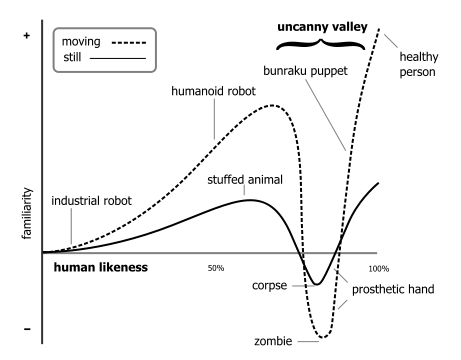
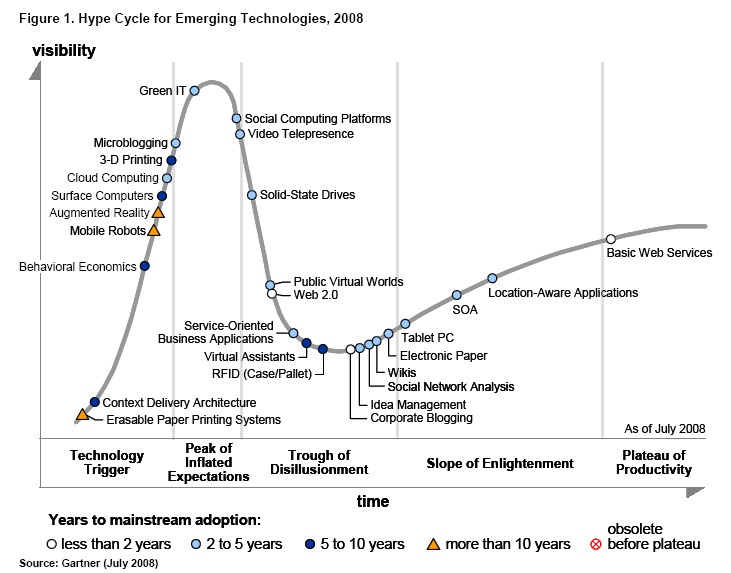
• The Uncanny Hype Cycle:

What does this chart:

Uncanny_Valley.png

...have to do with this chart:

gartner-hype-cycle1.png

(Click image for larger version)

Nothing, ostensibly, but I couldn't help but notice a real similarity in form between the Hype Cycle and the Uncanny Valley. They're not identical, of course; for one thing, in the Gardner "Hype Cycle," technology is somehow more visible when it's still in development (but talked about) than when it's actually in mainstream use. Still, it's something that makes me go hmm.

• Safer Orbital Mechanics: Finally, how do you deal with a problem like a possible asteroid strike? Wrap it for safety. That's the proposal of Australian engineering student Mary D'Souza for preventing a kinetic unpleasantness with asteroid Apophis, now scheduled for a close-approach in 2029 and potentially giving the Earth a good whack in 2036. She argues that wrapping the 270-meter asteroid with a reflective sheet (like Mylar) would make it so that reflected sunlight changes its orbit ever-so-slightly. Do something like this early enough, and an ever-so-slight shift is enough to make the asteroid miss us by quite a bit.

Works for me.

August 18, 2008

Monday Topsight, August 18, 2008

Special Future of War edition: robots, lasers, brain weapons, and a little thing called "strategic thinking."

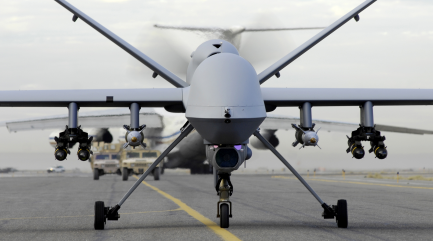
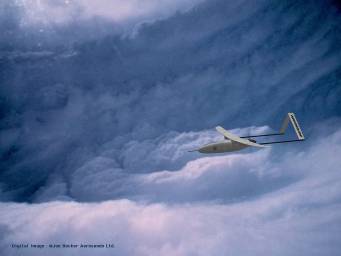
• 174th Robot Wing: The 174th Fighter Wing of the US Air Force has flown its last mission, and has been replaced by an all-RPV (Remote Piloted Vehicle) squad. The MQ-9 "Reaper" is a real combat aircraft, carrying literally a ton of bombs; it also can stay in operation for over 14 hours straight, uses far less fuel and costs two-thirds less than the F16s it replaces.

Put simply, It's cheaper, more effective, and safer (for pilots) to use Reapers (or similar aircraft) for a lot of the ground support work. Fighters are still needed to keep the skies clear of enemy aircraft, although Reapers are better suited for the dangerous work of destroying enemy air defenses. But for fighting irregulars, the Reaper is king.
fearthereaper.png

It's unclear how much longer the superiority of fighters for air-to-air combat will last, especially if you can get three Reapers in the air for the cost of one Falcon.

These aren't true robots, of course -- they're remote vehicles, with human operators on the ground with radio controls. This means that sticky questions about autonomous systems pulling the trigger on human targets still remain on the horizon. It also means that we'll probably see even more effort put into figuring ways to jam or take over the radio controls.

Finally, it's not hard to imagine that such vehicles would be more likely to be used in situations which would previously have been avoided in order to not put human pilots in danger.

• ZZZZZZZZZAP!: Question is, how long until these remotely-piloted vehicles get outfitted with high-energy lasers for long-distance pinpoint attacks? Right now, the Advanced Tactical Laser system requires a big old C130 cargo aircraft. But -- if it works the way the Air Force claims (always a big if) -- it really does change the nature of tactical conflict.

The accuracy of this weapon is little short of supernatural. They claim that the pinpoint precision can make it lethal or non-lethal at will. For example, they say it can either destroy a vehicle completely, or just damage the tires to immobilize it. The illustration shows a theoretical 26-second engagement in which the beam deftly destroys "32 tires, 11 Antennae, 3 Missile Launchers, 11 EO devices, 4 Mortars, 5 Machine Guns" -- while avoiding harming a truckload of refugees and the soldiers guarding them.

Over at New Scientist, David Hambling explores some of the implications of a system like this. Since the ATL can "deliver the heat of a blowtorch with a range of 20 kilometers," it's not hard to imagine its use for covert operations. With a laser, there are no munition fragments to identify what hit the target, only an "...instantaneous burst-combustion of insurgent clothing, a rapid death through violent trauma, and more probably a morbid combination of both."

("It happens sometimes. People just explode. Natural causes.")

• Braaaaiinnnnnssssss: Mind bombs and lie disruptors and super-soldiers, oh my. The Guardian gives us a peek at the future of war, and this time, it's heavily medicated.

On the battlefield, bullets may be replaced with "pharmacological land mines" that release drugs to incapacitate soldiers on contact, while scanners and other electronic devices could be developed to identify suspects from their brain activity and even disrupt their ability to tell lies when questioned... Drugs could also be used to enhance the performance of military personnel.

Of course, the first would be restricted by existing chemical weapons treaties -- and while we've seen in recent years that treaties are only as good as the people willing to abide by them, it is an issue -- and the second is one of those "real soon now" developments that remains perpetually on the horizon. As for the last one, the drug-enhanced soldiers, get in line: The military will be following the commercial market, not leading it.

• Whoops. Our Mistake: Of course, this all assumes that war has a future. At least in some cases, it really is the worst option, at least according to those crazy left-wingers at the RAND corporation:

The comprehensive study analyzes 648 terrorist groups that existed between 1968 and 2006, drawing from a terrorism database maintained by RAND and the Memorial Institute for the Prevention of Terrorism. The most common way that terrorist groups end -- 43 percent -- was via a transition to the political process. However, the possibility of a political solution is more likely if the group has narrow goals, rather than a broad, sweeping agenda like al Qaida possesses.

The second most common way that terrorist groups end -- 40 percent -- was through police and intelligence services either apprehending or killing the key leaders of these groups. Policing is especially effective in dealing with terrorists because police have a permanent presence in cities that enables them to efficiently gather information, Jones said.

Military force was effective in only 7 percent of the cases examined; in most instances, military force is too blunt an instrument to be successful against terrorist groups, although it can be useful for quelling insurgencies in which the terrorist groups are large, well-armed and well-organized, according to researchers. In a number of cases, the groups end because they become splintered, with members joining other groups or forming new factions. Terrorist groups achieved victory in only 10 percent of the cases studied.

The key point of comparison here: a terrorist group is more likely to achieve its desired goals than to be put down by military force.

You can download the research monograph for free as a PDF, or buy it in paperback.

July 29, 2008

Tuesday Topsight, July 29, 2008

(Especially terse edition)

• Feel the Power of the Dark Side: New term of the week: "Dark Liquidity." This is the practice of trading large quantities of stocks with as little public notice as possible, in order to avoid having the trade shift the markets. That this practice exists is a bit discomfiting, but what's even more fun is the emergence of something of an arms race between dark liquidity trading systems (so-called "dark pools") and groups trying to gather market intelligence. New Scientist elaborates:

In an effort to find out what's floating in the dark pool, so-called "statistical arbitrage" firms place small orders to probe how much stock a pool conceals, and its going price. [...] Instinet's NightHawk system uses probabilistic analysis to create what Balarkas calls "thermal maps" of where the dark stuff is. For any firm to reveal precisely how these algorithms work would amount to commercial suicide, he says. But what works in the favour of these dark aggregators is that their orders are legitimate, so they can afford to probe for larger amounts of stock; statistical arbitrage firms, who may not actually be interested in bulk buying, need to minimise their expenditures.

Dark aggregators -- the ones assembling dark pool trades -- are in turn changing the way they assemble and communicate the trades, in order to spoof or fool the analysts.

• China's Lament: I occasionally get asked as to why I'm not inclined to see China as the leading international player in this century. Some of this is based on work I've done for various clients, but an article in the Washington Post this past week offers a good summary of some of my reasons.

A Long Wait at the Gate to Greatness details some of the environmental, economic and (especially) demographic problems facing China. One quote in particular spells out the depth of the problem.

When my family and I left China in 2004, we moved to Los Angeles, the smog capital of the United States. No sooner had we set foot in southern California than my son's asthma attacks and chronic chest infections -- so worryingly frequent in Beijing -- stopped. When people asked me why we'd moved to L.A., I started joking, "For the air."

Worth a read.

• Future Web: On Friday, August 15, I'll be on a panel at Adaptive Path's UX Week event, speaking about the future of the web browser. The panel will be based in part on work I did with Adaptive Path last year on this very subject. Bonus: later that afternoon, Bruce Sterling will be giving the closing keynote for the event.

July 21, 2008

Monday Topsight, July 21, 2008

vue_nocturne.png

• Green Acres, Now With Penthouse View: Vertical farms finally make the move from cybergreen fantasy to the pages of the New York Times. The logic is seductive: urban towers, filled not with more offices and apartments, but with food crops.

Dr. Despommier estimates that it would cost $20 million to $30 million to make a prototype of a vertical farm, but hundreds of millions to build one of the 30-story towers that he suggests could feed 50,000 people. “I’m viewed as kind of an outlier because it’s kind of a crazy idea,” Dr. Despommier, 68, said with a chuckle. “You’d think these are mythological creatures.” [...]

“If I were to set myself as a certifier of vertical farms, I would begin with security,” he said. “How do you keep insects and bacteria from invading your crops?” He says growing food in climate-controlled skyscrapers would also protect against hail and other weather-related hazards, ensuring a higher quality food supply for a city, without pesticides or chemical fertilizers.

Vertical farms offer a nice way of sidestepping a big urban density problem (that is, how does a city feed itself without relying on hundreds of square miles of farmland?), and have the (to me) right balance of futurosity and plausibility.

It occurs to me, though, that a variant of the vertical farms might work well for the hollowed-out suburbs, too: how much would it cost to convert a McMansion to allow it to grow food?

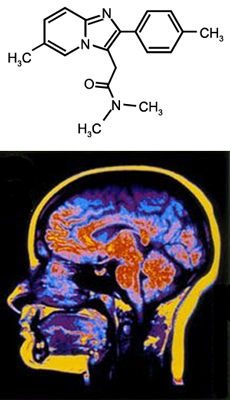
• Viva, Provigil!: Are people still going on about doping in sports? That's so last year. The big new panic-trigger is doping in the workplace -- not with steroids, but with cognitive-modification drugs. Tech Crunch, as close to a bellwether of Silicon Valley angst as you can get, lets us know that entrepreneurs have come to find drugs like modafinil (sold under the brand name Provigil) can give them a professional edge. The tone is that of condemnation, of course, but at the same time implicitly letting it be known that everybody's doing it, and if you're not, you're probably falling behind.

We're seeing the same thing happen with Adderal and Ritalin in high school and college, apparently, and I wouldn't be shocked to see that practice carry over more and more into the professional world.

But here's where this all gets tricky for me: I have a prescription for Provigil, as it is legally available for dealing with "shift work sleep disorder," which includes jet lag. And it works, at least for me. I've gone as long as nearly 40 hours without sleep while traveling internationally, in meetings where I had to be able to perform at a decent level. No dozing off, no weird hallucinations from lack of sleep, just mental clarity and alertness. Provigil wears off after about six hours, and doesn't interfere with normal sleep. Go me.

This isn't meant as an endorsement, only an observation that (a) yes, these kinds of cognitive modification drugs are in the workplace already, and (b) it's a lot more complex than a simple "doping is illegal and/or bad!"

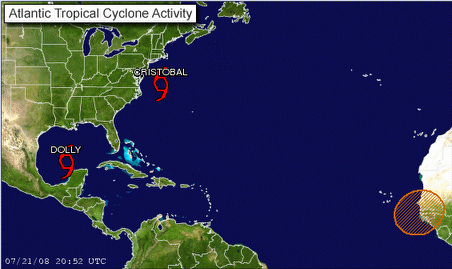
atlantic-hurricane072108.png

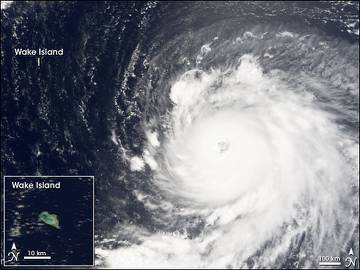
• Uh Oh: Chris Mooney, author of (among others) Storm World, notes that the early days of the 2008 Atlantic hurricane season is looking a lot more like the deadly 2005 season than the comparatively mild 2006 and 2007 seasons.

In particular, the finally dissipated Hurricane Bertha set all manner of records, most of them associated with longevity and strength so early in the season. That includes becoming the longest lived Atlantic hurricane ever recorded in July, and the third strongest ever recorded in that month (and sixth strongest overall among pre-August hurricanes).

And now we're looking at a likely Hurricane Dolly, which will get the chance to churn over the extremely warm waters of the Gulf of Mexico before making landfall somewhere (presumably) along the Mexico or Texas Gulf coast.

Meanwhile, the National Hurricane Center has just begun to track a strong tropical wave--much like the precursor to Bertha--that is emerging off of the African Coast. The strongest Atlantic hurricanes, dubbed Cape Verde-type storms, generally form from such waves--and generally do so later in the season. But that's not the case in 2008.

The National Hurricane Center is your best bet for rapidly-updated information on the status of Atlantic and Pacific storms near North America. They have RSS feeds for all of their reports, and ScienceNewsBlog pushes NHC alerts out via Twitter.

• Got a Spare $60 Million?: My old WorldChanging colleague, Vinay Gupta, has a post on his "Bucky-Gandhi Design Institution" blog entitled "How to fix the developing world for sixty million dollars," and it makes for fascinating reading. It's a lengthy argument, but it boils down to this:

So, here’s what I’m going to spend your notional sixty mil on: television programs for farmers and people who live in slums. I’m going to blow the whole lot on making 200 hours of science telly, and giving them away. [...]

But the bulk of this science telly for farmers is the basics of what you need to thrive in the developing world, in four major categories

  • how to grow more food?
  • how to stay alive? (water, sanitation, basic medicine)
  • what is happening in the rest of the world? (physical and economic geography, including things like futures markets)
  • what is happening here? (where did television come from? what’s a computer? what’s an antibiotic? what’s science? why did things start to change, what does it mean, and where will it end?)
  • What I love about Vinay's proposal is that it's not just the "teach a person to fish" school of changing the world -- it goes to the level of "teach a person about ecosystems, nutrition and tools, so that if fishing doesn't work out, they'll be able to figure out what to do as an alternative." Yeah, it's more complex, but the near-term stuff is also there -- but Vinay doesn't just leave it there.

    Good reading, and good work, sir.

    • Heads Down: I've been trying to blog more lately (and without quite as much "here's the talk/interview I did" content), but I'm looking at a pretty intense next few weeks. Lots of work on Superstruct, of course, but also a few big writing jobs -- including a major piece for the Atlantic Monthly. I'll probably be going back to 1-2/week mode for awhile.

    June 30, 2008

    Monday Topsight, June 30, 2008

    floodedlondon.jpg• Flooded London: Media designers Squint/Opera have come up with a project they call "Flooded London: 2090," a set of illustrations of London in a late global warming world. As a piece of anticipatory illustration, it's startlingly idyllic -- pictures of a city that has gone past the crisis stage, to a "life goes on" mode for the survivors. To be sure, it's not a happy scenario -- one can only imagine how many millions of people would have perished to get to this point -- but it does illustrate just how resilient humankind can be.

    I do have to admit, though, that the first thing I thought when I saw them was that these were paintings of the world of Freak Angels.

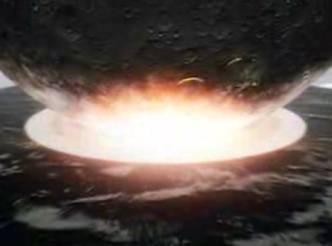
    • Happy Sky-is-Falling Day!: One hundred years ago today the Earth saw its last major asteroid strike. The Tunguska event is no doubt familiar to old X-Files fans, but it really is one of those moments that could have changed everything. The current estimates for the size of the Tunguska blast range from five to 15 megatons, the latter being a thousand times the power of the Hiroshima bomb. The rock itself -- which exploded a few kilometers above the ground, not actually hitting -- was probably a few tens of meters in diameter. Just a little guy, really.

    The asteroid strike happened way out in the middle of Nowhereski, Siberia. If it had happened near a populated zone, it would likely still be considered the worst natural disaster in human history -- and we would have had a much more sophisticated asteroid-hunting system in place by now.

    • Schizmatrix Reloaded: The Anglican Church -- generally known as the Episcopal church in the US, and the Church of England in, well, England -- faces a growing likelihood of a full-blown schism between modernists and traditionalists over the subject of ordainment of female and gay ministers, and a broader acceptance of homosexuality. A gathering last week in Jerusalem of over a thousand representatives of Anglican churches denounced the gay-acceptant policies of the Anglican leadership, and sought to create a new "power bloc" within the church community representing the traditionalists.

    What's particularly notable about this incipient split is its geographic distribution. The vast majority of participants in the Jerusalem gathering came from Anglican churches in Africa, South Asia, South America and Australia. The language used has a strong anti-colonialist tenor:

    They depicted their efforts as the culmination of an anti-colonial struggle against the church’s seat of power in Great Britain, whose missionaries first brought Anglican Christianity to the developing world.

    The conservatives say many of the descendants of those Anglican missionaries in Britain and North America are now following what they call a “false gospel” that allows a malleable, liberal interpretation of Scripture. [...]

    The conservatives also challenged the authority of the Archbishop of Canterbury. The current archbishop, Rowan Williams, has been a disappointment to conservatives, because he did not discipline the liberal North Americans or engineer their eviction. The Archbishop of Canterbury historically has not had the power to decree policy in the Communion, but in the past he determined which churches belonged to the Communion.

    The conservatives’ statement said that although they acknowledged Canterbury’s historic position, they did not accept the idea “that Anglican identity is determined necessarily through recognition by the Archbishop of Canterbury.”

    It's unlikely that the North American Anglican churches will change to suit the desires of the traditionalist churches in the global south; there's a clear shift towards broader acceptance of homosexuality in the US and Canada. Although the Jerusalem group says that they are not seeking a schism, such a result seems inevitable. One critical question is whether either faction will end up strengthened by the development.

    • Cyborg Rights: The Boston Globe has a profile of MIT's Hugh Herr, a specialist in the development of prosthetic limbs. As is typical for current articles about prosthetics, sprint Oskar Pistorius makes an appearance. Herr makes an astute observation about the cultural tension regarding prosthetics and the potential for super-enabled disabled:

    Twenty years ago, he was accused of cheating in competitive rock climbing; he had competed wearing prosthetic legs he had designed for the sport. "With Oscar, it was like, 'Here we go again,' " says Herr, 43. He is bemused by the fact that when amputees run or climb more slowly than "intact-leg competitors," their athletic displays are considered courageous. But as soon as amputees prove they can actually compete with able-bodied athletes, accusations of cheating follow, he says.

    This seems likely to be a recurring theme as augmentation technologies and prosthetic enhancements move from the "good enough" to the "better-than-normal" level, and is a trend worth watching.

    (Thanks, Rebecca!)

    June 17, 2008

    Playing Catch-Up

    Okay, back from DC and a long weekend trip away. Rested and ready, as it were. Here are a few items piled up in the old Intertube drift net. More serious stuff coming.

    Colbert-GBN.png

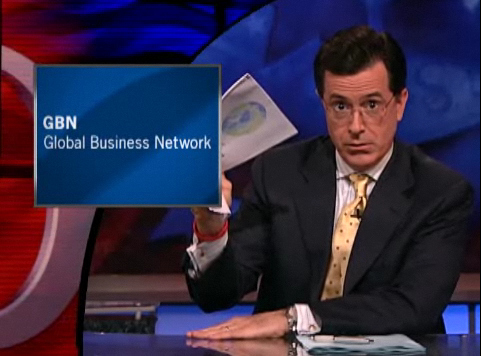
    • My Old Workplace: Stephen Colbert discusses a scenario report from Global Business Network, describing the document in this way:

    The Future of Arctic Marine Navigation in Mid-Century, written by Global Business Network, the world leader in vague, uninspired names for organizations. [...] It’s like a futuristic disaster movie where only the rich guys survive. Mad Max meets Wall Street … on ice!

    Yep, that's GBN.

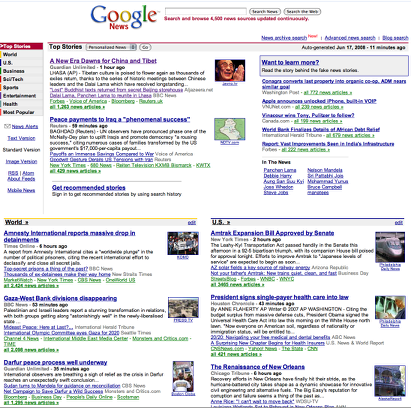
    • Artifact from a Win Scenario: It's all-too-easy to come up with scenarios and narratives outlining just how badly things are falling apart, the center is no longer holding, and mere anarchy is getting ready to be loosed upon the world. Positive futures, "win scenarios" as I sometimes call them, can be much harder to imagine. That's why this page, which offers a vision of what a Google News page would look like in a wonderful near future, is so terrific.

    goodgooglenews.png

    Headlines include "A New Era Dawns for China and Tibet," "Long-awaited spray-on solar coating now available," even "Music publishers: DRM has been unprofitable". Nearly all of the headlines offer at least plausible stories, with some being clearly based on work already underway. The author ("Andrea") created the page in 2007 as a way of dealing with relentlessly depressing news.

    What's notable about this page is that we read it and immediately see it as a fake; if someone had mocked up a Google News page with nothing but horrible news, we'd be much more likely to accept it as true.

    So, my question: why? Is it because the media culture focuses on negative stories? ("If it bleeds, it leads!") Is it because we're acculturated to expect negative outcomes? (And if so, why?) Or is it because our brains are wired to pay the most attention to threats, out of sheer survival instinct? (And if so, how do we adapt around that?)

    • My New Motto: "I am aware of all internet traditions."

    June 3, 2008

    Tuesday Topsight, June 2, 2008

    • OUtunes: Last year, I was part of a project helping the UK's Open University to re-imagine itself, with a heavy emphasis on taking advantage of new technologies and social tools. One of the ideas we came up with during a brainstorming session was to use iTunes as a gateway to OU's educational content. Students would be able to download course videos, playable on iPods and iPhones (yes, yes, there are other portable media devices, but let's be realistic). It would be a small step, but a signal of OU's willingness to embrace new educational service models.

    Well, look what's happened.

    itunes-OU.png

    The OU is on iTunes (link will open iTunes if you have it, which you probably do). Videos (and transcripts of videos) can be downloaded for free. Some of the videos are pretty short, so I'm not sure how many would count towards actual OU degrees. It is, as we suspected, a small step -- but it's also a promising sign of things to come.

    • Uncivil Society: The June National Geographic has a number of stories about China, and one stood out in particular for me. "What's Next?" examines the possible future pathways for China's development. The author, Peter Hessler, watches the progression of a number of rural factory towns, and the ways in which the communities deal with problems. He makes an observation that strikes me as absolutely critical:

    In China, though, new cities are strictly business: factories and construction supplies and cell phone shops. Local governments focus on profiteering, and the Communist Party has always discouraged the kind of organizations that contribute in other societies. This is perhaps the nation's greatest human rights challenge. Westerners tend to focus on the dramatic—dissidents, censorship—but it's the lack of institutions that actually hurts most Chinese. Workers are left to fend for themselves: no independent unions, no free press, few community groups. Through sheer willpower, many succeed, but the wasted potential is staggering. In the reform years China has unleashed its remarkable population; the next stage is to learn to respect this wealth.

    Emphasis mine. We simply cannot ignore the importance of civil institutions for the healthy development of society, and need to pay very close attention to how new developments (in technology, in demographics, in politics) change the capacity of these institutions. Moreover, we in the futures world need to be especially conscious of the possible emergence of new civil institutions.

    What might those new institutions look like? I think many of these nascent social models will embrace aspects of "smartmob" and open-source behavior. The question that comes to mind for me is what would be the big picture trigger that would serve as a catalyst for institutionalization.

    • Diesel Bad?: For a few years now, I've been waiting for the advent of a diesel-electric hybrid car. Diesel cars get better mileage than gasoline cars, so a diesel hybrid should truly rock (and, in fact, prototype diesel hybrids regularly got over 70mpg). But if Joe Romm is right -- and he usually is -- more diesel cars may well be the last thing we want.

    It turns out that the soot particulate matter in most forms of diesel fuel may itself introduce greenhouse carbon. Romm cites Dr. Mark Jacobson, Co-founder and Director of the Atmospheric Energy Program at Stanford University's Department of Civil and Environmental Engineering, and quotes him as saying that "diesel vehicles emitting particles continuously at a particulate matter emission standard of 40 mg/mi or 80 mg/mi may warm climate more than gasoline vehicles." Newer diesel vehicles, emitting 10 gm/mi, would warm less, but still have a negative impact. Filters added to trap particulate emissions end up eliminating the overall mileage advantage of diesel engines.

    The important take-away is that, with older diesel vehicles -- the kind in use in much of the world -- the lower CO2 emissions may be outweighed in greenhouse impact by the increased "carbon black" particulate emissions.

    The entire article is worth reading, including the comments. I'm not sure we can call this as a certainty, but the evidence looks strong.

    • Manic Panic: Amanda Ripley has an interesting piece in TIME magazine entitled "How to Survive a Disaster," and that's exactly what it's about. In the wake of recent natural disasters, Ripley examines some of the ways in which groups have managed to avoid dying in a variety of catastrophic settings. She's a specialist in disaster narratives, and has interviewed numerous survivors of unexpected dangers.

    She emphasizes the importance of rehearsal in dealing with disaster -- escape drills and the like, to be sure, but also just thinking through how to cope. This dovetails with an emphasis on participation, in terms of both aiding disaster response and not simply waiting to be told what to do.

    A couple of her observations stand out.

    In many disasters, people running in a panic are at less risk than those who just freeze. "Crowds generally become quiet and docile. Panic is rare. The bigger problem is that people do too little, too slowly. They sometimes shut down completely, falling into a stupor. [...] Our brains search, under extreme stress, for an appropriate survival response and sometimes choose the wrong one, like deer that freeze in the headlights of a car."

    Groups that take an active role in responding to disasters fare better than those waiting to be ordered around. "All of us, but especially people in charge--of a city, a theater, a business--should recognize that people can be trusted to do their best at the worst of times. They will do even better if they are encouraged to play a significant role in their own survival before anything goes wrong."

    May 13, 2008

    Tuesday Topsight, May 13, 2008

    Pulling together some stories I've had in the queue...

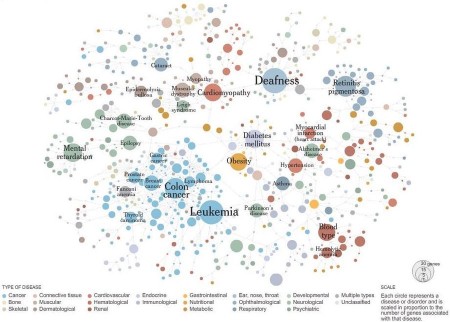
    Mapping the Diseasome: The diseasome is a new way of looking at disease -- as a map of genetically-interrelated conditions. This model has already led to new insights into the nature of human disease.

    Scientists are finding that two tumors that arise in the same part of the body and look the same on a pathologist’s slide might be quite different in terms of what is occurring at the gene and protein level. Certain breast cancers are already being treated differently from others because of genetic markers like estrogen receptor and Her2, and also more complicated patterns of genetic activity.

    “In the not too distant future, we will think about these diseases based on the molecular pathways that are aberrant, rather than the anatomical origin of the tumor,” said Dr. Todd Golub, director of the cancer program at the Broad Institute in Cambridge, Mass. [...]

    The research will also improve understanding of the causes of disease and of the functions of particular genes. For instance, two genes have recently been found to influence the risk of both diabetes and prostate cancer.

    Click the image below for the New York Times' interactive graphic.

    diseasome.jpg

    I find this model compelling for a few reasons. The first is aesthetic -- I like maps. I'm seduced by the heady concept of cartographic epidemiology. The second is that I like to see new perspectives on traditional paradigms -- this often results in breakthrough insights. Lastly, it's a new word to play with.

    (Via Book of Joe)

    Promises in the Air: If this is true, and can be demonstrated, it's good news indeed:

    Swift Enterprises Ltd. has unveiled a new patented synthetic hydrocarbon general aviation fuel—SwiftFuel—that is produced from biomass.

    SwiftFuel meets or exceeds the standards for aviation fuel as verified by nationally recognized laboratories, said co-founder John Rusek, a professor in Purdue University’s School of Astronautics and Aeronautics Engineering and research director for Swift. Rusek said the fuel can provide an effective range (distance between refueling) greater than petroleum while its projected cost is half that of the current petroleum manufacturing cost.

    General aviation means small prop planes, not jetliners, but SwiftFuel claims that they may be able to modify the results to meet commercial aviation needs.

    As with all breakthrough fuel news, it needs to be taken with a pound of salt, and questions remain about the biomass sources and production needs. However, if it works, and if they can make it work for commercial jets, it will radically change the carbon footprint calculus.

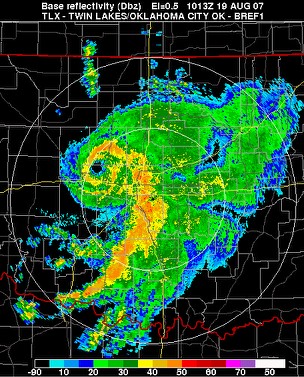
    Heavy Weather Redux: Bruce Sterling, green courtesy phone: the tropical storm called "Erin" from last August turned out to be something rather odd -- a storm that strengthened into something very much like a hurricane... but over Oklahoma.

    Over land, the remnants of the storm system looped up towards Oklahoma and reorganized, so much so that August 19 satellite images show Erin, its center very close to Oklahoma City, resembling an overland hurricane with an "eye" that it had never managed to develop over water. Meanwhile, the winds picked up far more than they ever had over the Gulf – reaching 50 knots sustained, 70 knot gusts – even as pressure fell as far as 995 millibars (far lower than when Erin had been an easily categorizable tropical storm).

    Now, months later, the National Hurricane Center has officially thrown up its hands and said "who knows?" The best that they can do is call it a "low"... but most low pressure zones don't kill seven people.

    Was Erin an anomaly? We'll find out in the coming summers, I presume.

    erin-ok2-tcdg.jpg

    Welcome to the Ecoblogosphere: Recently, I had the startling opportunity to sit for an hour, along with a small handful of other green blogger types, chatting with the CEO/President/Chairman of Pacific Gas & Electric, the major energy company in California. The topic was, ostensibly, a new eco-energy blog to be rolled out by PG&E; in reality, we got to ask him about a wide variety of subjects, from smart meters (rolling out now, already updated to better tech than the first ones) to renewables to opposition to an energy-related proposition on the ballot. The answers didn't really go beyond what we might already have seen on the PG&E website, but I have to give them credit -- we didn't get any kind of management or pushback on the questions.

    Now, the new blog, Next100, is apparently open to the public. So far, it seems like a decent if as yet unspectacular effort, mixing new energy tech with topical enviro issues. Posting intensity is light, about once/daily, and the tone is a bit less snarky than Grist, a bit less earnest than Worldchanging, and a bit less lifestyle than Treehugger. It's notable, however, simply in that it's an effort on the part of a major energy company to engage with the blogging world. Not with press-releases (none of the front-page posts have anything to do with PG&E), not with greenwashing, but with "playing along."

    This isn't game-changing, yet, but it's a good sign. I'll be watching to see if this effort lasts.

    April 23, 2008

    Wednesday Topsight, April 23, 2008

    simearth-m.jpgEarly Bright Green: "It is when man shall have discovered the means of restocking the sea and of controlling its supplies that his "dominion over the fish" will be perfect. The power to deplete, which so far marks the utmost limit of his advance, is mere tyrrany. Dominon should embrace a more benevolent sway, and to that end no doubt the efforts of science and the might of law will presently join forces."

    From The Sea-fishing industry of England and Wales: A Popular Account of the Sea Fisheries and Fishing Ports of Those Countries F. G. Aflalo 1904

    Hegemonic Games: As the US global hegemony declines, the mainstream view is that China will move into its place. I don't think that's likely, but China will certainly rival the US as a sub-hegemonic actor. The fun's already begun, in fact, as demonstrated by Chinese soldiers patrolling Zimbabwe streets alongside Mugabe's troops:

    Chinese troops have been seen on the streets of Zimbabwe's third largest city, Mutare, according to local witnesses. They were seen patrolling with Zimbabwean soldiers before and during Tuesday's ill-fated general strike called by the opposition Movement for Democratic Change (MDC). [...]

    One eyewitness, who asked not to be named, said: "We've never seen Chinese soldiers in full regalia on our streets before. The entire delegation took 80 rooms from the hotel, 10 for the Chinese and 70 for Zimbabwean soldiers."

    See also here. This is going to be messy.

    Green Games (the fun kind): Jon Lebkowsky has a piece in the Austin Chronicle entitled "The Serious Play in Saving the World," building on the South-by-Southwest panel he ran in March. It's a strong piece on the state of green gaming, and both its potential and challenges. The article focuses on Pliny Fisk, who joined me on the SXSW panel, and his efforts to find an intersection between sustainability and gaming.

    Fisk has been considering how you could use real-world data in virtual environments to model what he calls EcoBalance, the name of a board game he proposed in 2000, where "participants plan land uses at a settlement or regional scale according to the footprints required to balance natural resource supply and sync functions (i.e., natural capital) with human life support needs."

    EcoBalance could evolve to be something more than a board game via Fisk's interest in digital convergence – increasingly realistic, detailed visualizations; fatter storage and faster CPUs; growing broad adoption of personal digital systems including mobile devices; and powerful support for in-world interactivity in massively multiplayer environments like Second Life.

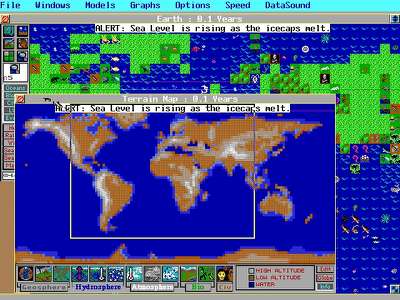
    As I note the quote Jon used, there has not been a better time for the emergence of a green game. In fact, I think that if the ancient planet model SimEarth could be re-compiled for current hardware, it could be a minor hit -- and a major one if the graphics & simulation code could be updated, too.

    (Apparently, SimEarth can be downloaded from Abandonia.com -- if anyone gets it running, let me know!)

    The Global Suburb: The suburban dream spreads around the world.

    "Every year, we add 60 million urban residents on Earth," Stanilov says. "The countries most susceptible to embracing the American model are particularly those with a booming economy and an emerging class of affluent residents and consumers really eager to embrace the American lifestyles. They don't want just the house but the whole package, the three-car garage, the mall, all of that."

    For many developing nations, however, the suburban ideal is stuck in circa 1980: a sea of lookalike single-family homes and shopping malls on the edge of the city. It's a model that many Americans increasingly are rejecting.

    Suburbia is the logical result of economic growth in regions where density=squalor. System-focused enviros can't eliminate the pathologies of suburbia without both meeting the needs it satisfies and reinventing density.

    Jargon of Note: RUMINT: Rumor level intelligence.
    BOGINT — bogus intelligence
    To the Right/Left of the Boom: the time before or after a bomb detonation, as imagined on a timeline. Emergency response crews usually work to the right of the boom, i.e., afterwards; bomb disposal crews usually work to the left of the boom.

    April 15, 2008

    Tuesday Topsight, April 15, 2008

    Because I'm in meetings all week...

    Going Around in Circles: What's the secret to improving fuel efficiency, cutting emissions, and saving gas money? Don't turn left. At least, that's how the UPS routing software does it. No, really:

    Time studies led UPS to discover that avoiding left-hand turns would save time, conserve fuel, reduce emissions and reduce the potential for accidents. UPS managers (who for years planned routes by physically driving each one and plotting on maps) began experimenting with their routes to see if right hand turns would increase efficiency. It worked. For decades, UPS has designed routes in a series of loops with as few left-hand turns as possible.

    Janice had a good question when I told her of this: if you're in a vehicle with auto-stop (like a hybrid or a growing number of high-mileage regular cars), how much of a difference would routing like this make?

    Sterling on Spimes: As usual, Chairman Bruce gives good rant, this time at the "Innovationsforum Interaktionsdesign" conference in Potsdam at the end of March. It's about a 40 minute talk, but worth checking out.


    Bruce Sterling from Innovationsforum on Vimeo.

    Excellent new term coming from his talk: meta-medium -- a new medium that embraces a variety of ostensibly unrelated earlier media. Example: the mobile phone.

    (Paraphrasing Bruce) Mobile phones are a "meta-medium" - they eat practically everything. phone. camera. web browser. video gaming. fax. radio. gps. pedometers. barcode readers. car keys. etc.

    (Via Posthuman Blues)

    The Copyfight Moves to Space: Patents killed an off-course communications satellite last week.

    The AMC-14 comsat didn't quite make its geostationary orbit when launched in March, falling into a survivable but non-useful orbit. The owners understandably wanted to try to salvage it, given the success of earlier satellite rescues involving flinging the satellite around the moon. Bad news:

    ...a plan to salvage AMC-14 was abandoned a week ago when SES gave up in the face of patent issues relating to the lunar flyby process used to bring wayward GEO birds back to GEO Earth orbit. [...] SES is currently suing Boeing for an unrelated New Skies matter in the order of $50 million dollars - and Boeing told SES that the patent was only available if SES Americom dropped the lawsuit.

    Industry sources have told SpaceDaily that the patent is regarded as legal "trite", as basic physics has been rebranded as a "process", and that the patent wouldn't stand up to any significant level of court scrutiny and was only registered at the time as "the patent office was incompetent when it came to space matters".

    So let me get this straight: Boeing has patented orbital mechanics?

    March 17, 2008

    It's the Business of the Future to be Dangerous

    Things to ComeThe title of this post is a quote from Alfred North Whitehead. What I like about the line is that it can be read in a couple of different ways: the role "the Future" plays in our lives is to be the danger to come, that is, to symbolize the rising challenges; and being dangerous is the "Business of the Future," i.e., risk is the industry of tomorrow. Both are likely true.

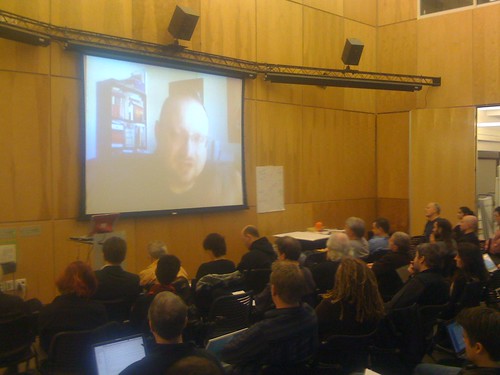

    I've had to introduce myself to a variety of audiences with some frequency lately, and the question of what job title I use remains troubling. I tend to default to "futurist," because it's requires the least explanation -- everyone knows (or think they know) what a futurist does, and what I do falls close enough to that fuzzy concept for people not to be confused by what I say. But that's a dissatisfying term, in part because there's quite a bit of baggage associated with the term (from design movements to trend-spotters), and in part because "futurist" doesn't acknowledge the connection to the present (in the way that, say, "foresight" -- with its suggestion of looking ahead while standing here -- does). Making clear that what we do today builds the world we live in tomorrow remains a critical part of my work.

    My business card says that I'm the "World-Builder-in-Chief" at Open the Future, and that feels closer, in that the mix of snark and wonder nicely sums up my attitude. But that one requires some explanation, and could still leave people feeling confused, especially if I'm not doing explicit scenario or world-building work.

    "Foresight engineer" and "paradigm engineer" -- both of which I've seen elsewhere, and toyed with for myself -- have the double drawback of (a) sounding far more techie than I'd like to imply, and (b) sounding like a play on "sanitation engineer" as the replacement title for garbage collector.

    "Tacitician" -- in that my job is to uncover the hard-to-spot threads and connections we know are there, but can't put our finger on? Too easily mistaken for "tactician."

    "Provocateur" -- I probably couldn't put that on a business card and get past Homeland Security, and (in my experience) executives have a habit of pronouncing this as "provocateer" -- like "Mousekateer."

    "Scenario planner," "scenarist," and "scenario designer" aren't bad, but I do more than scenarios in my futures work. Need something a bit broader.

    "Tomorrow Scout" -- sounds like the title of a really earnest and cheesy comic book from the 1950s. Maybe one that's recently been revived and re-imagined by Warren Ellis as being about a sullen, probably alcoholic, more than a little crazed futurist who has seen what new Hells tomorrow has in store for us, but can't get people to listen, let alone change their behavior. A Cassandra for the 21st century. No, I'm not talking about myself.

    (And as my mind wanders from this vision, I discover that there are no links for the term "Nostranomicon," a conceptual mash-up of Nostradamus and the Necronomicon. This post hereby corrects that oversight.)

    Any suggestions?


    So I'm now back home, complete with a new virus picked up from my hundreds of good friends at South-by-SouthWest. (Seriously, it's actually kind of scary how many bloggers in attendance at SXSW now report being sick. It's biological warfare against the blogosphere, I tell you.)

    Given that this last month or so has been a bit, um, stressful (hard drive crash, trip to London, horribly sick, trip to Wisconsin then Austin, sick, with my normal work continuing throughout), blogging here has suffered a bit. Let me just say that I will get back to the "The Big Picture" as soon as possible, and have a multitude of things running through my head that I need to get out onto pixels.

    February 19, 2008

    Ping

    British Museum SkylightIn London, not finding much time for writing.

    The Big Picture series will resume when I get back stateside.

    Some quick links:

  • Of used futures and counterfactual clothing -- Stuart Candy, The Skeptical Futuryst

    ...it is with "used futures" that we dress the indigent beneficiaries of these sports companies' generosity. They are literally clothed in possibilities, however trivial, discarded by the wealthy West.

    And so, in the wake of the recent Super Bowl result, we now have the following vivid, curious image; poor children in Third World countries running around clad in counterfactual souvenir apparel.

  • LIFT ‘08: Genevieve Bell and the “Arms race of Digital Deception” -- Michele Bowman, Fringehog

    If lies and secrets abound in the “real” world, online they positively flourish. Bell says lies about location, context, intent and identity (physical appearance, aspirations, demography, status and standing) are all possible, sometimes even required, in the context of our digital lives. [...] The question is: are information/communication technologies (and related applications and services) succeeding in part because they facilitate our lying ways? Or are our lies and secrets are necessary to keep us ‘safe’?

  • New materials can selectively capture CO2, scientists say -- CBC News

    The team of scientists created 25 ZIF ["zeolitic imidazolate frameworks"] crystal structures in a laboratory, three of which showed a particular affinity for capturing carbon dioxide. The highly porous crystals also had what the researchers called "extraordinary capacity for storing CO2": one litre of the crystals could store about 83 litres of CO2.

  • My talk at the Metaverse Roadmap II conference -- live via Interwebs:

    They made a recording, but no word yet on where or when it will be found.

    (Photo: "Jamais Cascio pulls a 1984" by Jerry Paffendorf)

  • February 1, 2008

    Memetrackers

    Here's a handy widget: Daylife Labs offers up a tool to build custom topic indexes, based on its own collection of thousands of RSS feeds from news sites and blogs. These Flash widgets track changes in the appearance of various terms in this database, offering a basic version of a personalized information topsight tool. They're easy to make -- here's one I whipped up quickly:

    The widgets can hold up to 15 different search terms, and the search engine logic is decent (including AND/OR/NOT, wildcards, and title-only searches). Here's an OtF technology widget:

    Seems like a fun tool.

    (Thanks, Violet Blue)

    January 24, 2008

    Data Points: Urban Futures

    Coastal Impact: What Does Sea Level Rise Look Like?: Architecture2030 gives us a taste of what bad case global warming means for coastal cities in the United States.

    San-Francisco-225Msm.jpg

    Leaving Home: For a growing number of people, the optimal response to collapsing home value is simply to mail the keys to the bank and walk away.

    I calculated that somewhere between 10 million and 20 million U.S. homeowners will owe more on their homes, than their homes will be worth, over the next couple of years.

    As I've noted before, one of the greatest fears for lenders (and investors in mortgage backed securities) is that it will become socially acceptable for upside down middle class Americans to walk away from their homes. These are homeowners with the "capacity to pay, but have basically just decided not to".

    Wachovia is seeing that happen now. Imagine what will happen as house prices fall this year and next.

    Hub2: Prototyping New Urban Environments in Virtual Worlds: Emerson College professor Eric Gordon uses Second Life for "rapid urban prototyping," engaging both designers and stakeholders. (Via Fringehog)

    Hub2 employs emerging 3D virtual world technologies to enhance community engagement in the urban planning process. It will enhance the city's current community outreach methods by providing a deeper engagement with the design process and greater accessibility to good ideas emerging from within the community.

    Hub2 will build a virtual representation of the Greenway to enable non-technical people to design public spaces together. Recent projects like WebLab’s “Listening to the City” dialogues in New York and the Penn’s Landing Forums in Philadelphia all have sought to engage communities in their public spaces. These efforts have shown how to bring together diverse individuals to talk about their shared spaces in an asynchronous web format. The unique contribution of Hub2 is using 3D virtual worlds as a new “language” for having these conversations. Hub2 enables people to communicate their passion for public spaces in a collaborative setting. Participants don’t just talk through ideas – they build their vision in a realistic 3D world. Unlike a 2D or 3D representation, a 3D virtual world allows individuals to inhabit spaces as virtual representations of people who can move through and interact with that space.

    Adam Everyware Greenfield talks Ultradense Cities in Science Fiction: His new book, The City, out real soon now -- I'm really looking forward to it. (Via io9)

    The relentless emphasis on high urban density as driver and incubator of pathology I encountered in the SF of my youth now strikes me as more than a little parochial. Much if not most of humanity dwells uncomplicatedly at levels of concentration higher than those the genre routinely depicted as catastrophic - and has for decades. To offer a single developed-nation example: Tokyo’s Shinjuku Station at its sleepiest is about as crowded as the busier sidewalks of Manhattan at peak load, rarely dipping below LOS-D, at least during daytime.

    And if the high-density favelas and sprawling squatter colonies Robert Neuwirth explores in his impressive Shadow Cities can hardly be said to offer “wholesale hope,” they do at least constitute a surprisingly stable way of life for a billion of us.

    Saudi Arabia: Urban Experimentation in the Heart of Islam: Saudi Arabia tries to get ready for a post-petroleum world.

    Drawings of these new towns depict a cross of the futuristic “Blade Runner” and traditional Arabic design. But the new cities are also expected to become new industrial centers that focus on four main sectors: petrochemicals, aluminum, steel and fertilizers.

    According to SABB, these cities together will have four times the geographical area of Hong Kong, three times the population of Dubai, and an economic output equal to Singapore’s. Other plans include building four refineries, two petrochemical plants and a modern graduate-level university with an endowment of $10 billion.

    SimCity Goes Open Source: Too bad it's the first version, from 25 years ago, but it's a start. (Via BoingBoing)

    EA wanted to have the right to approve and QA anything that was shipped with the trademarked name SimCity. But the GPL version will have a different name than SimCity, so people will be allowed to modify and distribute that without having EA QA and approve it. Future versions of SimCity that are included with the OLPC and called SimCity will go through EA for approval, but versions based on the open source Micropolis source code can be distributed anywhere, including the OLPC, under the name Micropolis (or any other name than SimCity).

    January 21, 2008

    Read These:

    After empire, then what? -- Mike Treder looks at what happens when empires fall.

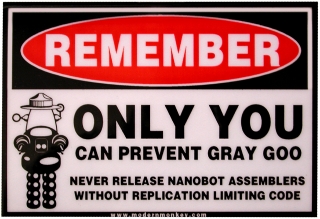
    International peace, security, and stable all are strengthened by economic ties; financial integration and interdependence tend to promote harmony and tolerance. But if we experience a hard takeoff scenario for advanced nanotechnology -- a sudden and uncontrolled flood of products -- the resulting economic disruption might then destabilize international relations to the point where a hard landing for the former American empire is only one part of very bad outcome.

    The Fallacy of Reversibility -- Stuart Staniford examines the apocaphile assumption that higher priced oil means the collapse of industrial agriculture.

    So when you industrialize a society, is that a reversible process? Can you take it on a backward path to a deindustrialized society that looks in the important ways like the society you had before the industrialization? As far as I can see, the "second wave" peak oil writers treat it as fairly obvious that this is both possible and desirable. It appears to me that it is neither possible or desirable, but at a minimum, someone arguing for it should seriously address the question. And it is this failure that I am calling the Fallacy of Reversibility. It is most pronounced in Kunstler, who in addition to believing we need a much higher level of involvement in agriculture also wants railways, canals, and sailing ships back, and is a strong proponent of nineteenth century urban forms.

    "The Martin Luther King You Don't See on TV" -- FAIR shines a light on what MLK was focusing upon at the end of his life. (via Amor Mundi)

    From Vietnam to South Africa to Latin America, King said, the U.S. was "on the wrong side of a world revolution." King questioned "our alliance with the landed gentry of Latin America," and asked why the U.S. was suppressing revolutions "of the shirtless and barefoot people" in the Third World, instead of supporting them.

    In foreign policy, King also offered an economic critique, complaining about "capitalists of the West investing huge sums of money in Asia, Africa and South America, only to take the profits out with no concern for the social betterment of the countries."

    10-Fold Life Span Extension Reported -- Yeast re-engineered to live 80 days or more (that's 800 years to you and me).

    Longo cautioned that [...] longevity mutations tend to come with severe growth deficits and other health problems. Finding drugs to extend the human life span without side effects will not be easy, he said.

    An easier goal, Longo added, would be to use the knowledge gained about life span “in a fairly limited way, to reprogram disease prevention.”

    January 9, 2008

    Global Guerilla Swag

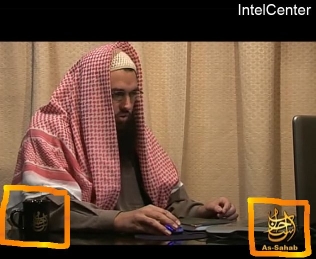
    As-Sahab is the media wing of Al Qaeda, the "network" used by all the current Al Qaeda videos put onto the web; as with nearly all modern video producers, their programs include a little "bug" logo in the lower right corner of the screen identifying the network. Wired's Danger Room blog noted that this logo isn't limited to the video itself -- As-Sahab also has logo coffee cups.

    AQcoffee_cup.jpg

    (Picture from IntelCenter)

    This is worth noting both as it suggests an increasingly sophisticated institution -- and the inability of even an avowedly anti-Western organization to avoid the trappings of Western media culture.

    Overton Window

    The Overton Window is a memetic engineering concept in use among political wonks, but with broader applicability. Wikipedia describes it thusly:

    It describes a "window" in the range of public reactions to ideas in public discourse, in a spectrum of all possible options on an issue. Overton described a method for moving that window, thereby including previously excluded ideas, while excluding previously acceptable ideas. The technique relies on people promoting ideas even less acceptable than the previous "outer fringe" ideas. That makes those old fringe ideas look less extreme, and thereby acceptable. Delivering rhetoric to define the window provides a plan of action to make more acceptable to the public some ideas by priming them with other ideas allowed to remain unacceptable, but which make the real target ideas seem more acceptable by comparison.

    The resulting spectrum is, then:

    Unthinkable • Radical • Acceptable • Sensible • Popular • Policy

    This is a familiar notion, but with a formal name. In the US, movement conservatives have used this technique to great effect, but it's now starting to show up in discussions among progressives/liberals.

    I think that the Overton Window model could prove to be a decisive tool for shifting perspectives in the US about environmental risks, and in fact provides a counter-argument to the "Village Green" types who claim that extreme eco-rhetoric is damaging to the environmental movement.

    Hey! Look Over There!

    Massively busy, but the world continues. I'll be posting *very* terse entries over the next day or two in order to clear out some of the stuff I want to comment on, but haven't been able to. As per the discussion in my last topsight post, I'll add these as separate entries for easy linkage.

    December 26, 2007

    Malware for Materials

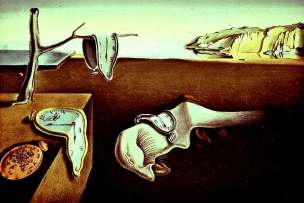
    persistence.jpgThe smart environment era is just about upon us, and I'm looking forward to seeing what happens when our previously "dumb" surroundings become embedded with Internet-connected intelligence. This is a subject I've followed for awhile, so I have some basic expectations as to what we'll see. Rapid adoption for social networks? Check. Greater energy efficiency? Check. Making the invisible, visible, in order to understand the subtle flows of information that support our lives? Esoteric, but check.
    Malware? Sadly, double-check.

    Spam. Viruses. Phishing. "Zombie" computers. Our online lives take place amidst a massive, escalating, and inescapable battle between malware creators and system defenders. The Internet is an incredibly hostile place, full of malicious software designed to grab our attention, invade our privacy, and (occasionally) even steal our money. Fortunately, the Internet is made livable (and even enjoyable) due to the ongoing efforts of security specialists, and that ongoing battle happens rarely grabs our attention. We know this, and while we're not happy about it, we've learned to live with it.

    For the most part, malicious bits of code and data -- collectively referred to as "malware" -- have remained comfortably limited to devices that we recognize as being (to a greater or lesser extent) computers. But as products and materials that have long been seen as non-computers start to get connected to the Internet, start to include processing capability and memory, start to offer "always on" wireless connections -- all in all, start to be active parts of our environments -- the likelihood increases that we'll start to see malware pop up in unexpected locations.

    What kinds of products and materials? Cars, refrigerators, walls, clothing, highways, windows, televisions, product packaging... not to mention the various devices made solely to offer a cuddly, friendly interface for Internet messages. As processors and network hardware get smaller and cheaper, the more reasons we'll think of for wanting to put them in our stuff -- and the more platforms we'll create for malware.

    Most of this will be spam. Spam infests every networked communication medium, and will likely to continue to do so for the various networked communication systems in development. It's ubiquitous in massively-multiplayer games, and I expect it to be a lingering problem as the Metaverse expands. Although we haven't seen it yet, I wouldn't be surprised if spam became a drag on the fast deployment of augmented reality type systems. While filters can work reasonably well, they're not universally available -- for example, I'm baffled as to why mobile phone carriers all haven't implemented basic filters on text message systems, given the rising volume of text spam.

    Since the goal of (most) spam is to grab attention, my guess is that the first public outcry about material malware will be triggered by ads for increased member size, lottery winnings, or offshore casinos popping up on refrigerator doors, in-car displays, and digital picture frames.

    Arguably, viruses (and trojans) have the potential to be a more serious problem, but they face more significant roadblocks. In the abstract, the best defense against widespread virus propagation is a "polyculture" model of systems, where no one "species" of host dominates. Viruses thrive in monocultures, whether industrial single-species forests or commercial single-operating system networks. In monocultures, all potential hosts for a virus have effectively identical structures (whether DNA or OS), and the "disease" can easily jump from host to host. In polycultures, conversely, viruses can't propagate as readily since new potential hosts often have widely-divergent configurations.

    Anti-virus code, firewalls and the like will certainly help, but hardware and software diversity may be the most important factor preventing the rapid spread of viruses in the smart environment world. The more closely the operating system in your smart shirt is related to the operating system in your television, your Internet-connected camera, and/or your smart home energy system, the more likely it is that someone will be able to figure out how to write something that could infect all of them.

    A greater concern is that the viruses (and trojans) that do exist will take advantage of the legacy of trust we have for the dumb versions of the now-smart materials; will we have to worry about what the (voice-controlled) refrigerator overhears or the (video-chat-ready) television sees?

    I'm particularly fascinated by the possible new forms of malware that could emerge unique to the new technologies. I've mentioned some possibilities in the past: intentional misinformation/data-pollution in information-dense environments; physical "spam" produced by Internet-connected fabricators; even "sock bots," scripted avatars used to disrupt virtual world gatherings while looking like a mass activity (upon reflection, "bot mob" is probably a better term). The more powerful and flexible our everyday tools and environment become, the more we'll have to pay attention to keeping them on our side.

    Does this mean that we're diving headlong into disaster? No. Just as we've become inured to the inundations of spam, accustomed to regularly updating anti-virus software, and bored with the constant, clumsy phishing come-ons, we'll eventually be resistant (both technically and culturally) to the malware outbreaks that pop up in our new toys. The transition period may be a bit rough, but if we're aware of the potential before it hits, we won't be so readily taken by surprise.

    Just make sure you keep your anti-virus/spam-filter/malware filters on your furniture up to date.

    December 18, 2007

    Tuesday Topsight, December 18, 2007

    nokiaecophone.jpgHey there, folks out there in Internet-land -- do you find these "topsight" posts useful or interesting? I sometimes puzzle over whether the various individual entries would be better off as individual short posts, rather than as a catch-all post. The downside of that is my apparent inability to keep individual posts terse. The upside would be clearer topics and easier inbound links, should you find yourself wanting to point to a particular item.


    Opinions? Ideas? Bueller?

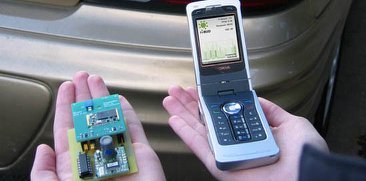
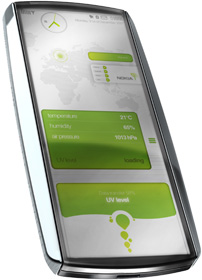
    • Prototyping the Participatory Panopticon, Part 1: Waaaaaay back in the dark days of early 2006, I gave a little talk at the TED conference on the idea of an "Earth Witness" program, with sensing devices built into mobile phones to allow for collaborative environmental science. Nice talk, Al G liked it, but it wasn't flashy enough for the TED talk public listing. Anyway, the notion of an enviro-phone seemed possible but not necessarily plausible back then -- but now Nokia is running with the idea, and showcasing its "Eco Sensor" concept phone.

    To help make you more aware of your health and local environmental conditions, the Nokia Eco Sensor Concept will include a separate, wearable sensing device with detectors that collect environment, health, and/or weather data.

    You will be able to choose which sensors you would like to have inside the sensing device, thereby customizing the device to your needs and desires. For example, you could use the device as a “personal trainee” if you were to choose a heart-rate monitor and motion detector (for measuring your walking pace).

    Here are some other examples of customized sensing devices you could build:

    Environmental monitoring

    • Atmospheric gas-level monitor (including carbon monoxide, particulate matter, and ground-level ozone detectors, for example)
    • Ultraviolet radiation sensor
    • Subscription to environmental catastrophe warning and guidance system

    Personal health

    • Motion detector
    • Heart rate monitor
    • Noise level monitor

    Weather monitoring

    • Air pressure sensor
    • Humidity sensor
    • Temperature sensor
    • Subscription to environmental catastrophe warning and guidance system

    This isn't a phone that's being prepped for sale, it's a "hey look at how cool and green we are" design that won't make it out of the lab -- at least in this form. (Quick aside: we've had concept cars for awhile, and concept computer designs -- although rarely from the manufacturers. Now we have concept phones. What's next?) But like concept cars, the technologies deployed in this model can end up in shipping units a year or three down the road.

    • Prototyping the Participatory Panopticon, Part II: When talking about the various technologies of the participatory panopticon, I usually make a point of mentioning that the "offloaded memory" functions of PP devices could be particularly appealing to aging populations. Seems I'm not the only one:

    When Mrs. B was admitted to the hospital in March 2002, her doctors diagnosed limbic encephalitis, a brain infection that left her autobiographical memory in tatters. As a result, she can only recall around 2 percent of events that happened the previous week, and she often forgets who people are. But a simple device called SenseCam, a small digital camera developed by Microsoft Research, in Cambridge, U.K., dramatically improved her memory: she could recall 80 percent of events six weeks after they happened, according to the results of a recent study.

    A wearable camera, the SenseCam takes a shot every 30 seconds, and makes the collected images available for later viewing. What I didn't expect -- and is a wonderful result -- is that by examining the recorded images, the user could move those digital memories to long-term brain memory.

    Here's an important guideline for people thinking about technology futures: look at the needs the aging and disabled have yet to have filled. As the baby boom in the west hits retirement age -- and especially as the even larger demographic bulge in China moves to retiree status -- we'll see an explosion of demand for the kinds of technologies to help the active disabled and active elderly maintain personal and social flexibility.

    In other words, this is just the beginning.

    (Via MedGadget)

    • Moving Down the Apocalypse Scale: One of the most-linked items I've ever posted here is my "eschatological taxonomy," a scale of different levels of apocalypse -- from regional destruction all the way through to the total elimination of the planet. Fun stuff.

    Jason Matheny, at the Bloomberg School of Public Health at Johns Hopkins University, gives the notion of dealing with the end of the world a more thorough examination. In his "Reducing the Risk of Human Extinction," just published in the academic journal Risk Analysis, Matheny gives a detailed account of possible ways the human race (and its descendants) could end, and what we might be able to do about it. Most interesting for me was his discussion of "discounting," that is, how the value of future human lives varies from the value we place on present-day human life. It's a fairly deep philosophical question done up in economics drag.

    Even if extinction events are improbable, the expected values of countermeasures could be large, as they include the value of all future lives. This introduces a discontinuity between the CEA of extinction and nonextinction risks. Even though the risk to any existing individual of dying in a car crash is much greater than the risk of dying in an asteroid impact, asteroids pose a much greater risk to the existence of future generations (we are not likely to crash all our cars at once) (Chapman, 2004 ). The "death-toll" of an extinction-level asteroid impact is the population of Earth, plus all the descendents of that population who would otherwise have existed if not for the impact. There is thus a discontinuity between risks that threaten 99% of humanity and those that threaten 100%.

    This is a very interesting piece, and definitely adds to the ongoing conversation about how best to allocate scarce resources for resilience.

    (Bonus! It turns out that Matheny is also involved with New Harvest, the leading organization working on the development of cruelty-free meat!)

    • Oh, No Revisted: When it's not advertisers trying to beam audio messages into your skull, it's political campaign specialists trying to figure out how to manipulate your emotions. Campaigns & Elections magazine has an article entitled "Mind games: how campaigns of the future will play with your brain," looking at the various new technologies that could influence how political campaigns of tomorrow would be run.

    Campaign ads that break through the filters could pack more punch, thanks to the nascent field of neuromarketing. The field is based on scientific research on what messages make the human brain light up in which areas--and what those lights mean. For instance, a campaign might look to craft a message that is sure to evoke a warm, fuzzy feeling about a candidate. Opponents might try to instill the opposite.

    "It comes down to making sure that what is being said by the candidates or by the party has been crafted specifically to elicit particularly neurochemical responses," said Cascio, the San Francisco futurist. He envisions Democratic and Republican neuromarketing firms crafting dueling messages in the heat of a campaign.

    (Uh, yeah, they quote me -- but also some other names you might recognize, including Zephyr Teachout, Jason Tester from IFTF, and David Brin.)

    Of course, this all leads to the inevitable conclusion:

    VOTE HYPNOTOAD!
    hypnotoad.jpg

    December 13, 2007

    Paleovirology

    retrovirus.jpgWord of the Week: Paleovirology: The study of "fossil" viruses living in our cells as endogenous retroviruses.

    Endogenous retroviruses (ERVs), like the more typical retroviruses such as HIV, rewrite the DNA of the cells they infect; the endogenous retroviruses do so not just to the somatic (body) cells, but to the germline (reproductive) cells, becoming part of the DNA we pass down to the next generation. These aren't rare -- more of our DNA comprises these old retroviruses than genes that actually code for proteins. New ERVs generally will quickly lose their potency as viruses, but can come to play critical roles in how our bodies operate. ERVs, for example, protect a fetus from the mother's immune system in all placental animals; ERVs are also thought to be possible triggers for multiple sclerosis.

    Paleovirology is interested in the non-coding ERVs, looking at how they might have first become introduced and examining their interactions with the body. A new article in the New Yorker explores the latest news from the field, including strong evidence that the study of paleovirology could lead to a treatment for HIV. It turns out that shortly after the hominid (us) line split from the hominoid (chimpanzee, bonobo, gorilla) line, the apes became infected with an ERV called PtERV; the proteins that the hominid line evolved that defended against PtERV had the side effect of making us vulnerable to HIV (which can infect apes, but doesn't make them sick).

    To figure this stuff out, paleovirologists have a fun trick: they're able to resurrect extinct viruses to see what makes them tick by piecing together chunks from related species.

    Then, last year, Thierry Heidmann brought one back to life. Combining the tools of genomics, virology, and evolutionary biology, he and his colleagues took a virus that had been extinct for hundreds of thousands of years, figured out how the broken parts were originally aligned, and then pieced them together. After resurrecting the virus, the team placed it in human cells and found that their creation did indeed insert itself into the DNA of those cells. They also mixed the virus with cells taken from hamsters and cats. It quickly infected them all, offering the first evidence that the broken parts could once again be made infectious.

    (Fortunately, it's standard procedure in paleovirology to add code to prevent the newly-awakened retroviruses from reproducing more than once.)

    Endogenous retroviruses have fascinated me ever since I read Greg Bear's Darwin's Radio, a 1999 novel about human evolution. The idea that viruses are critical in evolution is, on the surface, astonishing, but ERVs also have come to serve as a powerful metaphor for external agents changing not just how an organization or community functions now, but also how it operates in the future (and how new organizations and communities that get spun off operate). I'd be tempted to talk about this as a memetic endogenous retrovirus, but the acronym would be MERV, and that just opens itself up to too many jokes. Maybe "cognitive endogenous retrovirus -- CERV" would be better.

    December 10, 2007

    Monday Topsight, December 10, 2007

    The ScreamLet's see what's bubbled up through the Intertubes recently...

    • Oh, No: In their never-ending quest to make ordinary citizens rise up and destroy capitalism, the advertising community has discovered a new place to put hard-to-ignore ads: in your skull.

    New Yorker Alison Wilson was walking down Prince Street in SoHo last week when she heard a woman's voice right in her ear asking, "Who's there? Who's there?" She looked around to find no one in her immediate surroundings. Then the voice said, "It's not your imagination." [...]

    The billboard uses technology manufactured by Holosonic that transmits an "audio spotlight" from a rooftop speaker so that the sound is contained within your cranium.

    Go ahead and scream. A local hero (or "vandal") stole the speaker out of the billboard shortly after it went up; the speaker has since been replaced (no word on whether they've added more security... hint hint). The Holosonic rep suggested that it might take time for people to become accustomed to this new technology. I suspect it will take less time for the system to become subject to some harsh regulation.

    Please.

    (Via Warren Ellis)

    • Zzzzap: The New York Times reports on a study done by Massimiliano Vasile at the University of Glasgow on the best ways to deflect an asteroid heading towards the Earth. Nuclear bombs don't work, pushing with a spacecraft wouldn't work well, and "gravity tractors" would likely take far too long to be effective. Vasile determined that the best option is the swarm:

    The best method, called “mirror bees,” entails sending a group of small satellites equipped with mirrors 30 to 100 feet wide into space to “swarm” around an asteroid and trail it, Vasile explains. The mirrors would be tilted to reflect sunlight onto the asteroid, vaporizing one spot and releasing a stream of gases that would slowly move it off course. Vasile says this method is especially appealing because it could be scaled easily: 25 to 5,000 satellites could be used, depending on the size of the rock.

    The vaporized material then serves as a "rocket" to push the asteroid to a new course. If done early enough, this should be entirely achievable, with a large but not impossible price tag. The one problem (not addressed in the article) is that of liability: if an asteroid is heading towards the Earth, and is projected to hit (say) Egypt), and is nudged enough to change course but not enough to avoid impact -- now in (say) India -- who gets the bill? There would be horrific regional damage either way. Would nations with the power to do this avoid the undertaking out of fear of legal risks?

    • Welcome to the Participatory Panopticon, Officer: A New York cop interrogated a teenager about a shooting, and tried to intimidate him into confessing. On the witness stand in court, however, the copy claimed to have done none of that. Is the jury going to believe the cop or the kid? How about the kid's MP3 recorder?

    Perino had arrested Crespo on New Year's Eve 2005 while investigating the shooting of a man in an elevator. While in an interrogation room at a station house, Crespo, then 17, stealthily pressed the record button on the MP3 player, a Christmas gift, DeMarco said.

    The impact of the Participatory Panopticon will not be felt the most in our privacy, but in our ability to get away with secrets and lies.

    October 22, 2007

    Monday Topsight, October 22, 2007

    Smoky_The_Nanobot.jpgBecause technically it was still Monday when I started this.

    • Oooh, Spooooky! What's more appropriate for Hallowe'en than Spooky Technology? Except this isn't ghosts and goblins (and Count Floyd!), it's research into communication, sensing and perhaps even weapons technologies that take advantage of weird quantum effects, famously referred to by Einstein as "spooky action at a distance." Wired's Danger Room blog quotes Cambridge University's Charles Tahan:

    Spookytechnology encompasses all functional devices, systems, and materials whose utility relies in whole or in part on higher order quantum properties of matter and energy that have no counterpart in the classical world. These purely quantum traits may include superposition, entanglement, decoherence (along with the quantum aspects of measurement and error correction) or new behavior that emerges in engineered quantum many-body systems.

    (Note that Tahan goes for the domain-name-friendly "spookytechnology," but doesn't bother with a courtesy intercap. Yes, spookytechnology.com and .net are both taken, but .org remains tantalizingly available.)

    Tahan's full study is available at Arxiv (pdf). What's particularly interesting is that it's more about language than about actual technology. Tahan is especially anxious to avoid having "spooky-" fall victim to the same kind of inappropriate overuse that damned "nano-."

    Nor do we want to incite a prefix-fest as in nano-everything. “Spooky,” being defined more specifically, has fewer tendencies towards this than “nano,” which alludes to an entire length scale. Terms like “spookynet” or “spookytronics” may make sense, but selectively.

    I am so ready to start overusing "spookytronics."

    • Sleeping In on Sunday: I'm not a religious person, but I recognize the importance religion has in understanding the future trajectories of culture, society and politics. So studies like the Barna Group's recent survey of religious views of 16-29 year olds really fascinate me -- especially when they show glimpses of a major cultural shift at work. And it's not one that'll make traditional Christian political-religious institutions very happy.

    The Barna Group is an expressly Christian survey research firm, focusing on understanding American religiosity. In this survey, Barna finds a striking increase in critical views of Christianity among 16-29 year olds, far higher than earlier generations at the same point in life. These critical views are especially strong in non-Christian youth:

    Currently, however, just 16% of non-Christians in their late teens and twenties said they have a "good impression" of Christianity.

    (Emphasis mine.) On topic after topic, young people in the US have a strongly negative view of mainstream and evangelical Christianity, using terms like "judgmental (87%), hypocritical (85%), old-fashioned (78%), and too involved in politics (75%)." Similarly, the number of young people identifying as Christian has dropped dramatically. Barna's research suggests that this is not the kind of trend that will shift significantly as this generation ages.

    For me, the most interesting point is that the critical factor for both Christian-identified and non-Christian youth in shaping their views of religion is the strident homophobia of institutional Christianity.

    Today, the mos